

arrow_drop_down_circle
Divider Text

Understanding Balance: The Foundation of Great Stockdog Work
July 20, 2025
By
Jacqueline Tinker
arrow_drop_down_circle
Divider Text
Balance has been on my mind much lately. It seems our planet has been a little off balance lately, and I think it's affecting our stockdogs as well.
The most common statement I've heard amongst campers and stockdog students lately is: "I don't understand balance." I'm also seeing lots of dogs with training coming in that can't balance, or their balance is three steps off to one side or the other.
So I thought it was time to start a conversation about balance.
What Is Balance?
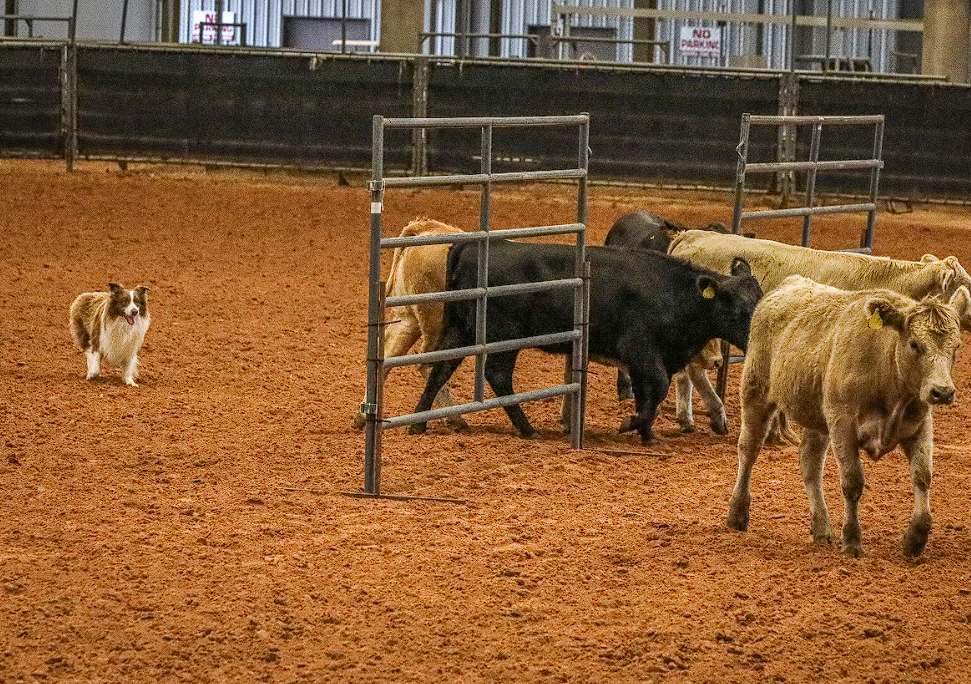
When Copper was a young dog, I had my sheep trained to stay in a single strand of hotwire. I sent him way out into the pasture to gather them one day and they happened to be in a dog leg area of the pasture. It never occurred to me that this would be a problem.
Well, Copper's sense of balance drove him so strongly at that time, that he looked up and saw me about a half mile away and zeroed in on my location like a missile. Instead of following the fenceline like he does now, he pushed those sheep and forced them to jump the hotwire to get them to me. I saw it about to happen, but was too far away to stop it. He was too young and inexperienced and driven to know any better.
That was the day my sheep learned not to stay in a single strand of hot wire. Copper saw no other way but a straight line and he wasn't trained enough to call him off balance at that time to change direction. He knew his job was to bring them straight to me.
Why Balance Matters?
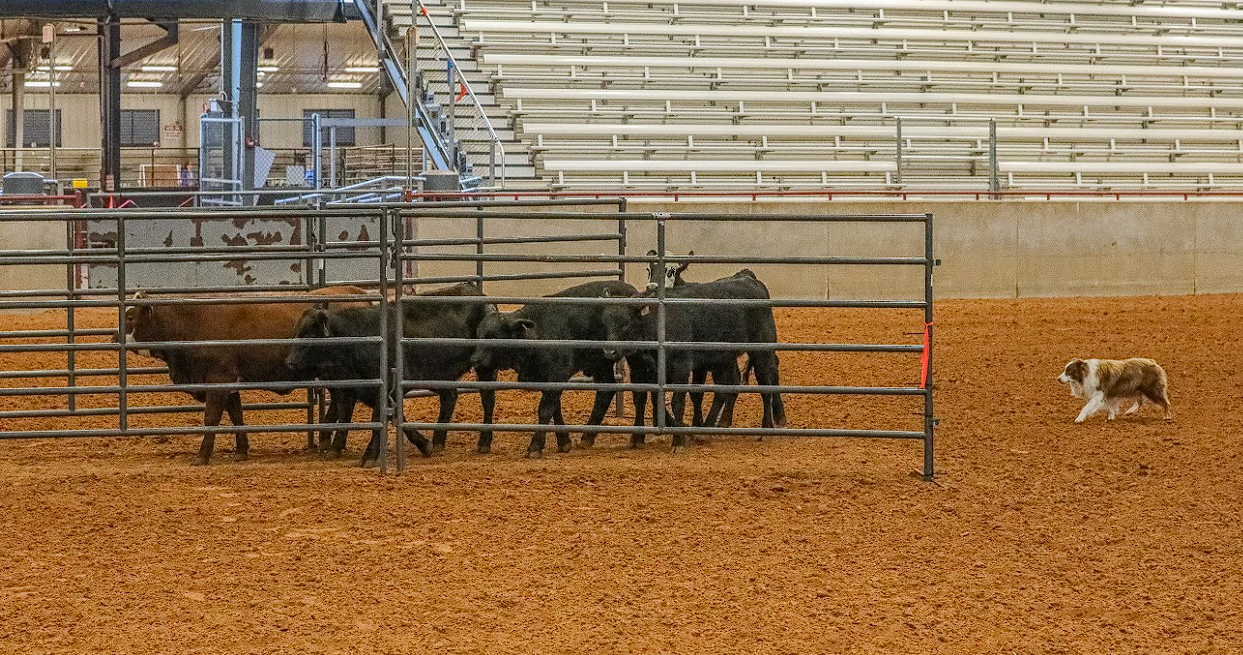
We teach them to balance because it is the basis of controlling the stock for the dog. If they don't have a focus point – balance – they will ultimately do one of two things. If they have a sense of group, they will circle the stock to control them. If they are weak in their sense of group, the stock will end up in any old place the dog decided to take them, usually while following the stock around.
Having good balance means the dogs will have to cover their stock. If they can't cover their stock, there will be no balance. The dog has to turn the heads of the stock towards you! Once the heads are facing you, the dog is on balance.
A good dog has the need to stop motion and control the stock. If they don't learn to bring them to you, then they will circle them up or put them in a corner and hold them.
Balance in Training
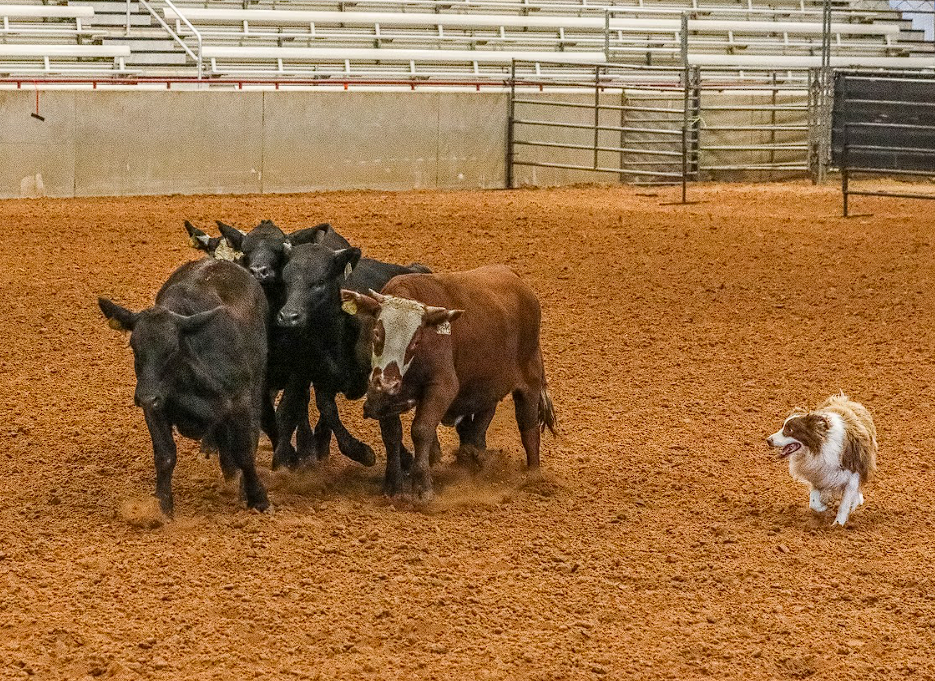
Balance is one of the instinctual foundations. It is largely genetic and a dog with a good instinct to balance is easier to train than one with limited instinct to balance. However, if a dog has a lack of balance which indicates a hole in the genetics, it can often be trained to be where they need to be to compensate for the lack of natural balance.
Strong balance is a key ingredient in a thinking dog. Dogs have a hard time problem solving if they naturally can't figure out where to take the stock. So a dog with a lack of balance will need more guidance from the handler.
Understanding balance is crucial for anyone serious about working dogs. It's not just about positioning, it's about the dog's ability to read and control livestock. When you see a dog working in perfect balance, you're witnessing the culmination of thousands of years of selective breeding and the artistry of proper training.
Mark as Favourite
0
Share this post:


Related posts
Related posts
Copyright © 2026 Funky Town K9 Academy - All Rights Reserved.